


Well Time Management

Dedicated to Care.
Driven by Compassion

About the Doctor

Dr. Tariq Rasool is a highly skilled Interventional Cardiologist with advanced training in diagnosing and treating complex heart diseases. With qualifications including MBBS, MD (Medicine), and DM (Cardiology), he has extensive clinical experience in managing cardiac emergencies, performing minimally invasive procedures, and providing evidence-based cardiovascular care. His expertise covers coronary artery disease, heart failure, arrhythmia management, preventive cardiology, and long-term cardiac rehabilitation.
Known for his patient-centered approach, Dr. Tariq emphasizes accurate diagnosis, timely treatment, and compassionate communication. He is committed to improving heart health through early detection, lifestyle guidance, and advanced cardiac interventions tailored to each patient’s needs.

Qualifications

  • MBBS – Bachelor of Medicine & Surgery

  • MD – Doctor of Medicine (General Medicine)

  • DM – Super-specialization in Cardiology

Specializations

  • Interventional Cardiology

  • Coronary & Peripheral Angioplasty

  • Management of Acute Heart Diseases

  • Preventive & Lifestyle Cardiology

  • Cardiac Emergency Care

Professional Memberships

  • Member, American College of Cardiology

  • Member, European Society of Cardiology

  • Member, Cardiological Society of India

Clinic Mission Statement

Compassionate Care

Patient-Centered Approach

Advanced Treatment

Trust & Transparency

Meet the dedicated people who ensure seamless care at every step

Jawed Ahmad Khan

Manager

Dr. Tabassum Fatima

Asstt. Doctor

Shashi K Pandey

Receptionist

Rehan Rashid Baig

Assistant

Sushmita Jaiswal

Nurse

Rajesh Kumar

Attendant
Key Expertise

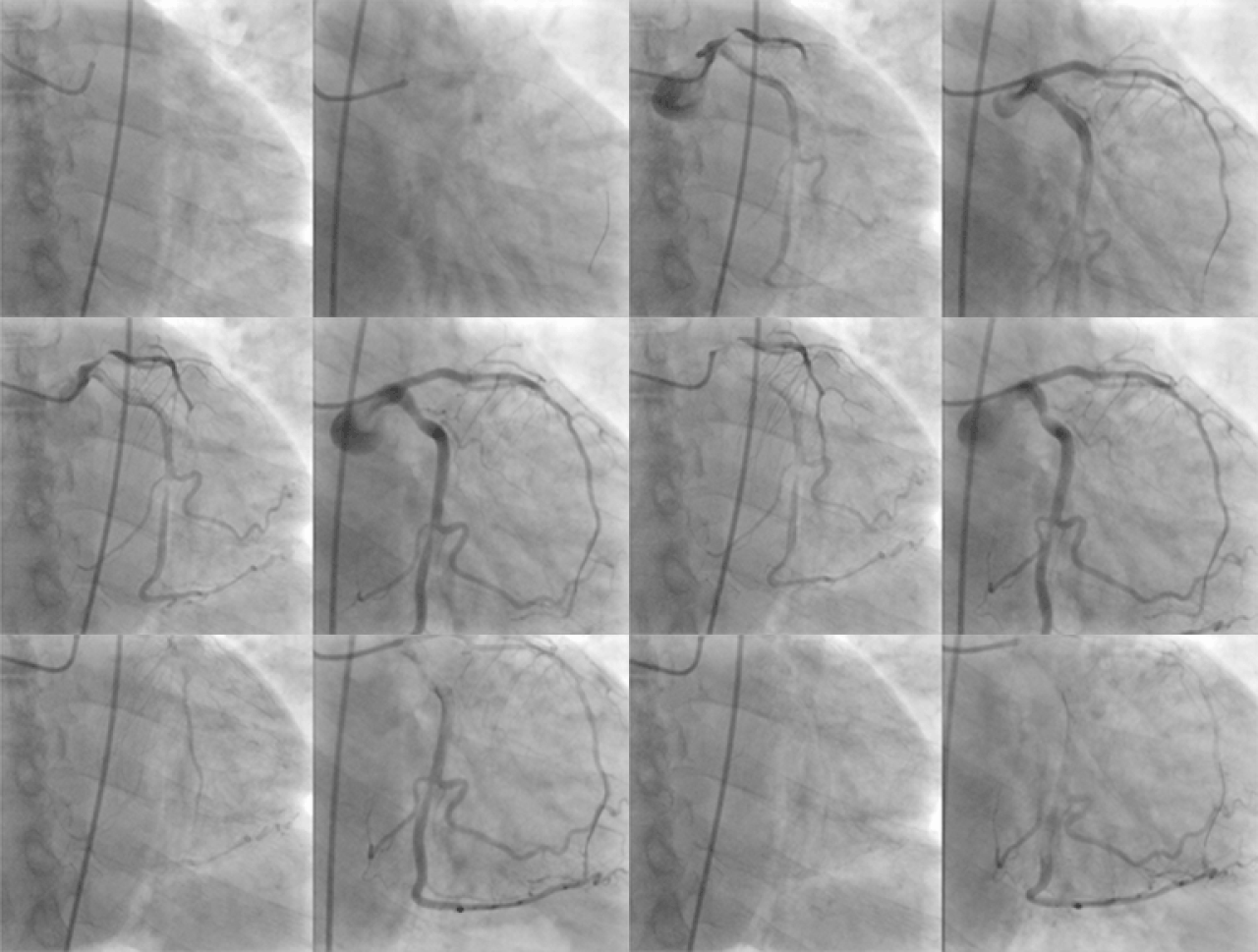
Coronary Angiography & Angioplasty (PTCA)

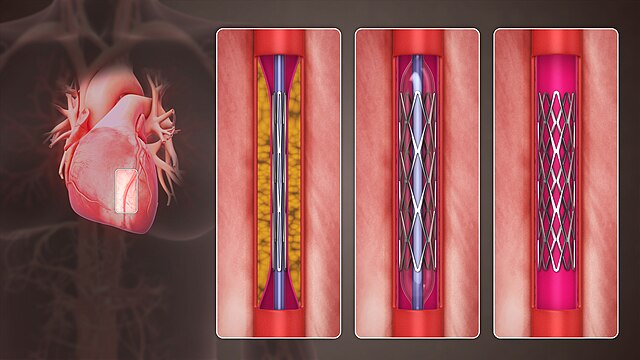
Stent Placement (Drug-Eluting & Bare-Metal Stents)

Primary Angioplasty in Heart Attack (PAMI)

Pacemaker & ICD Implantation

Management of Uncontrolled Hypertension

Heart Failure Diagnosis & Treatment

Arrhythmia Management (Atrial Fib, VT, Bradycardia)

Preventive Cardiology & Cardiac Risk Profiling

Conditions Treated

Coronary Artery Disease

Coronary Artery Disease occurs when the arteries supplying blood to the heart become narrowed or hardened due to cholesterol and plaque buildup. This reduces blood flow and oxygen supply to the heart muscle, leading to fatigue, chest discomfort, and shortness of breath. If untreated, it can progress to angina or even a heart attack.

Heart Attack / Myocardial Infarction

A heart attack happens when a coronary artery becomes completely blocked, stopping oxygen-rich blood from reaching a part of the heart. This causes severe chest pain, pressure, sweating, nausea, and breathlessness. Immediate treatment is crucial to prevent permanent heart damage and restore blood flow.

Chest Pain ِ
& Angina

Angina is chest discomfort caused by reduced blood flow to the heart, often brought on by physical activity or emotional stress. It may feel like pressure, heaviness, burning, or squeezing in the chest and can sometimes radiate to the arm, neck, or jaw. Angina is a warning sign that the heart is not receiving enough oxygen.

High Blood
Pressure

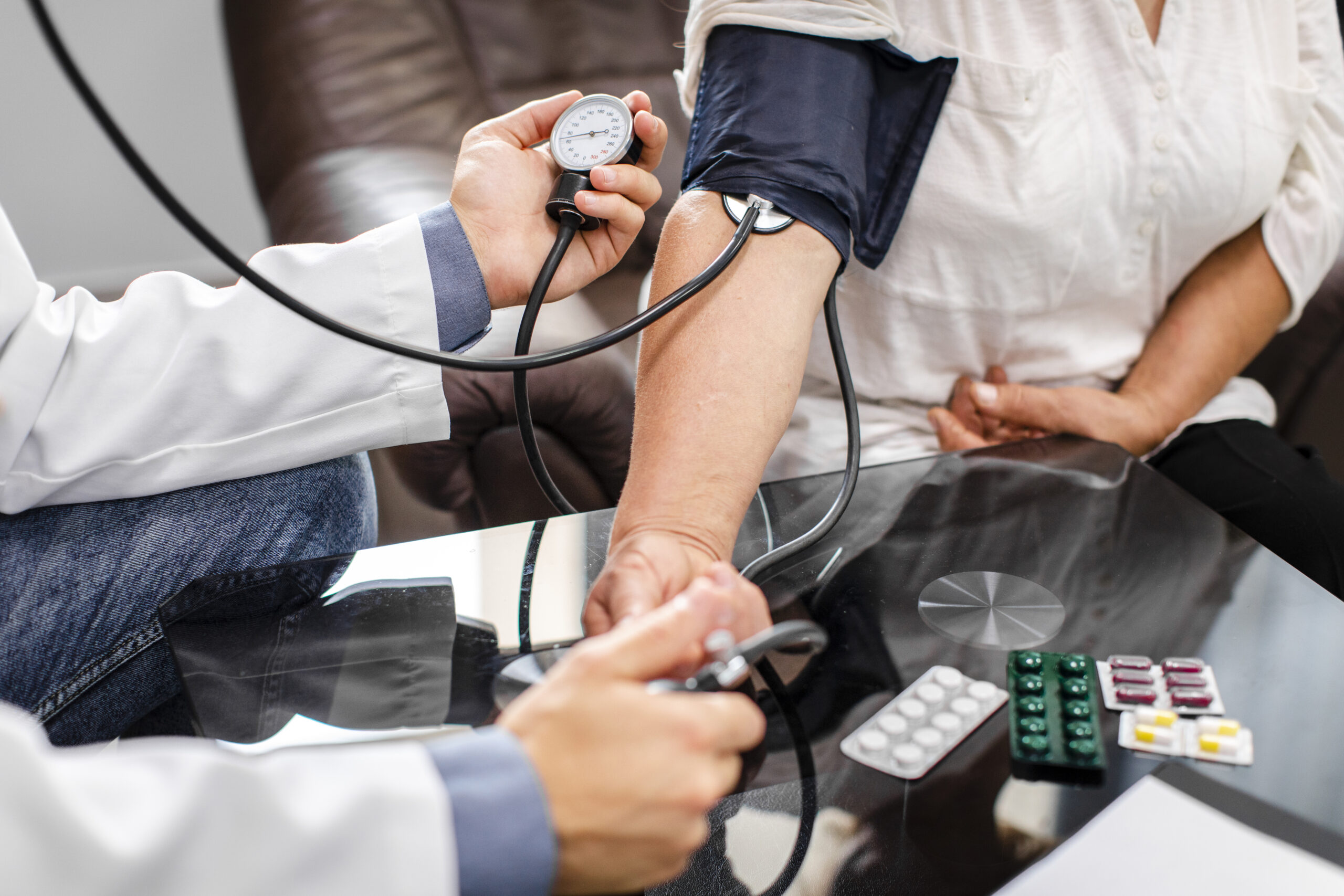
High Blood Pressure (Hypertension) is a long-term condition where the force of blood against artery walls remains elevated. Over time, this damages blood vessels and increases the risk of stroke, heart attack, kidney disease, and vision problems. Many people have no symptoms, making regular monitoring essential.

High
Cholesterol

High cholesterol occurs when fatty substances build up in the bloodstream, eventually depositing inside artery walls. This leads to reduced blood flow and raises the risk of heart attack or stroke. Healthy diet, exercise, and medication (when required) are important to reduce harmful cholesterol levels.

Heart Failure

Heart Failure is a condition in which the heart cannot pump blood effectively enough to meet the body’s needs. Patients often experience fatigue, swelling of the legs and ankles, and breathlessness during activity or while lying down. Early diagnosis and management can significantly improve symptoms and quality of life.

Irregular Heartbeat (Arrhythmias)

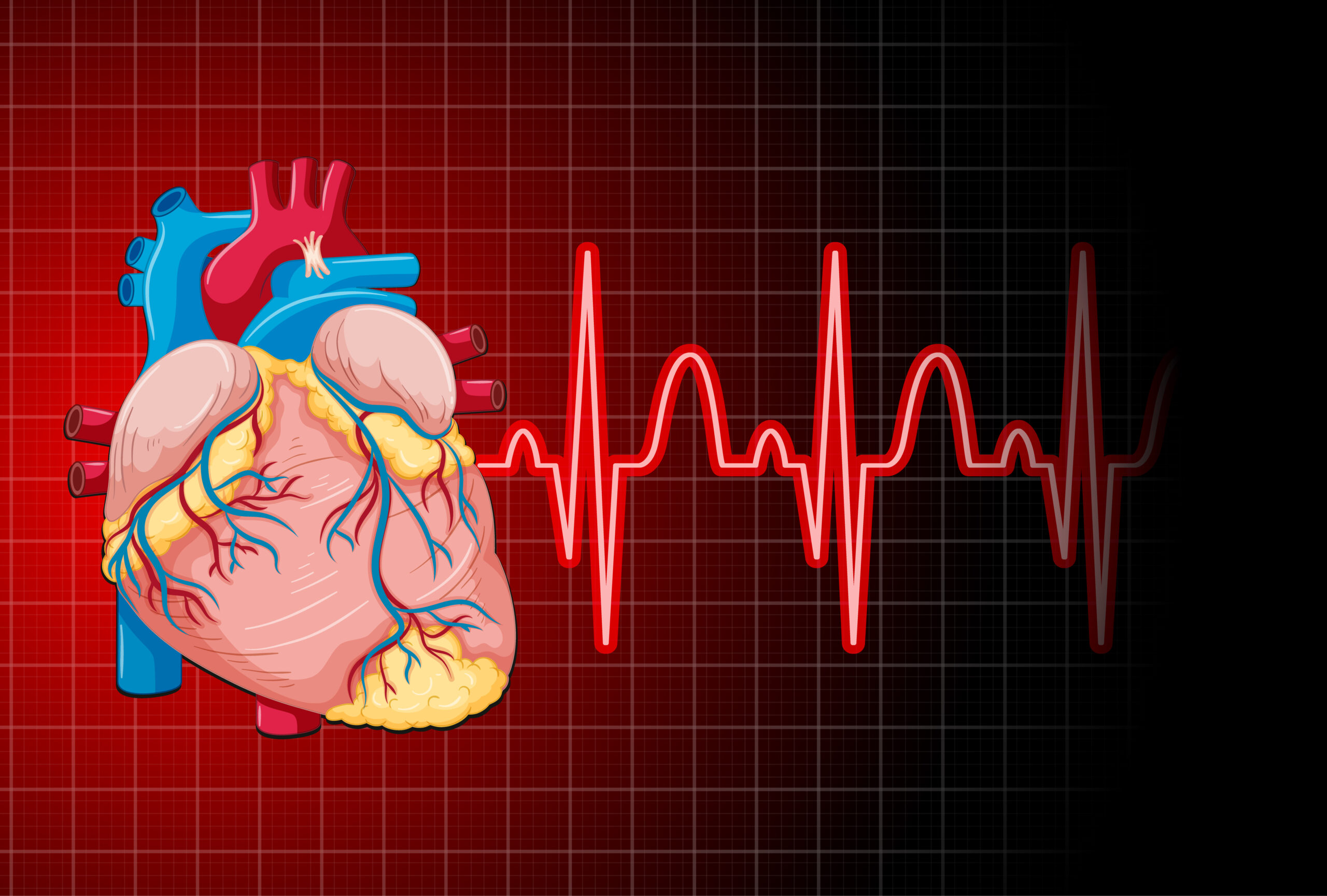
Arrhythmias are disruptions in the heart’s normal rhythm, causing it to beat too fast, too slow, or irregularly. Symptoms may include palpitations, dizziness, chest discomfort, or fainting. While some arrhythmias are harmless, others may require medication, monitoring, or procedures to prevent complications.

Structural Heart Disorders

Structural Heart Disorders include abnormalities of the heart valves, chambers, or walls. These can be congenital (from birth) or develop later in life due to aging, infection, or disease. They often affect blood flow and may lead to fatigue, breathlessness, palpitations, or swelling. Treatment may involve medication or corrective procedures.

Lifestyle-related Cardiac Disorders

These heart issues arise from unhealthy habits such as smoking, poor diet, stress, lack of exercise, or being overweight. Over time, these factors contribute to high blood pressure, diabetes, cholesterol imbalance, and heart disease. Adopting healthier lifestyle choices can greatly reduce future cardiac risk.

Diagnostic Services

2D Echo
Cardiography

(TMT)
Treadmill Test

Holter
Monitoring

ECG Interpretation

Cardiac Biomarker Testing

Blood Pressure Profiling

Lipid Profile Evaluation

Cardiac CT / MRI Coordination

Procedures Performed

Why Choose This Doctor

Image Gallery

Scroll to Top